Oils (e.g., lubricating, hydraulic) serve the key functions of lubrication, wear and corrosion prevention, cooling, and cleaning.
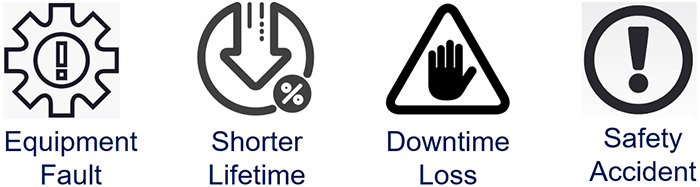
Oil contamination can cause many problems:
The oil quality monitoring system aims to:
↓ Failure Rate
↑ Asset Lifespan
↓ Maintenance Costs
→ On-Demand Maintenance (From time-based to condition-based)
↓ Downtime & Risk
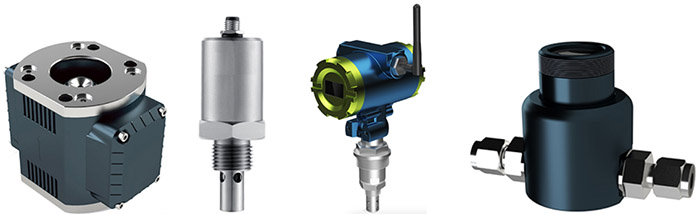
Sensors used for oil condition monitoring:
Viscosity Sensor
Moisture Sensor
Particle Contamination Sensor
Wear Debris Sensor
Electrical Resistivity Sensor
Key Functions of the Oil Quality Monitoring System:
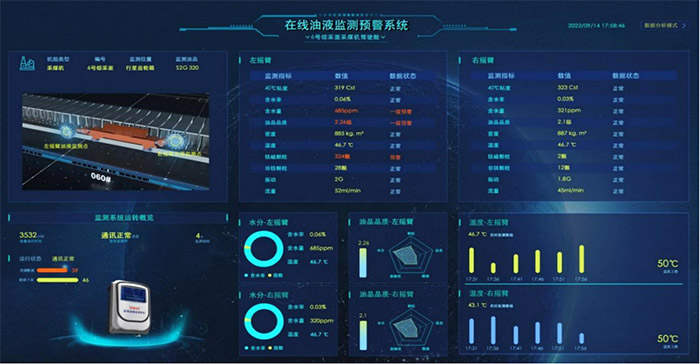
Real-time monitoring of oil parameters (moisture, temperature, contamination level) and trends.
Oil quality assessment and rational oil change cycle recommendation.
Data storage, trend analysis, out-of-limit warnings, intelligent diagnostics, and maintenance suggestions.
Application Examples
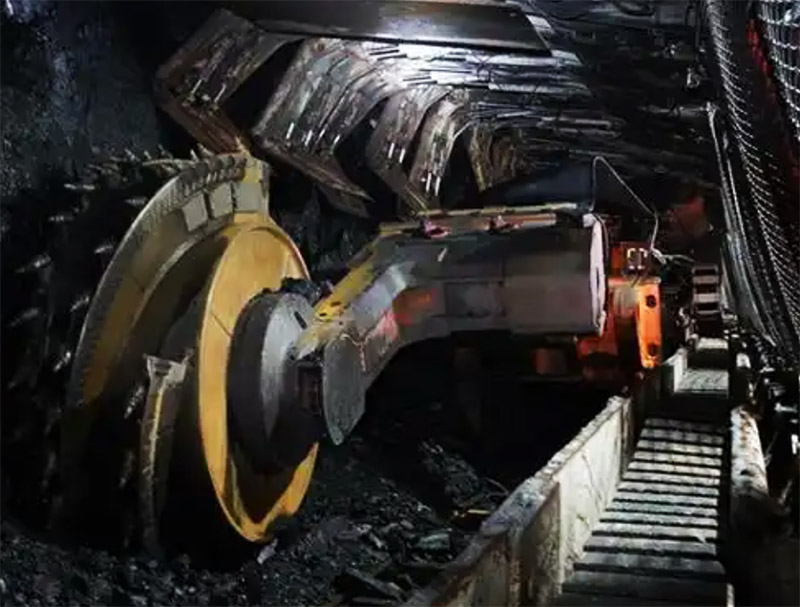
1. Large Coal Mine Shearer
The online oil quality monitoring system detects a sudden rise in ferromagnetic particles within the hydraulic oil, providing an early warning of potential bearing failure:
Prevent the failure of a hydraulic pump valued USD 150 thousands.
Avoid several days of unplanned downtime and associated production losses.
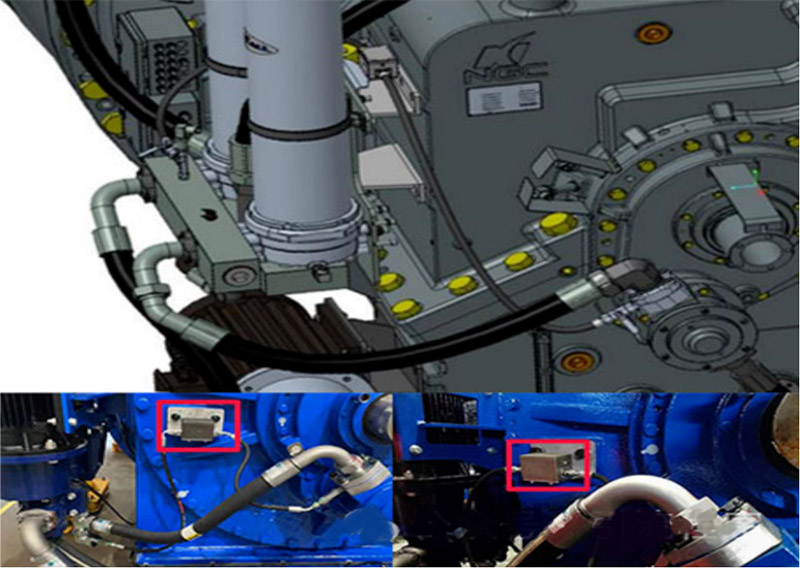
2. Wind Turbine Gearbox
A distributed monitoring system tracks real-time changes in gear oil viscosity and moisture:
Optimize oil change intervals.
Reduce the equipment failure rate by 60%.
Lower operation and maintenance (O&M) costs by 35%.