How does MSR work?

Magnetic Speed Regulation (MSR) is a type of coupling that transfers torque between two rotating shafts, such as those of motors and pumps or fans.

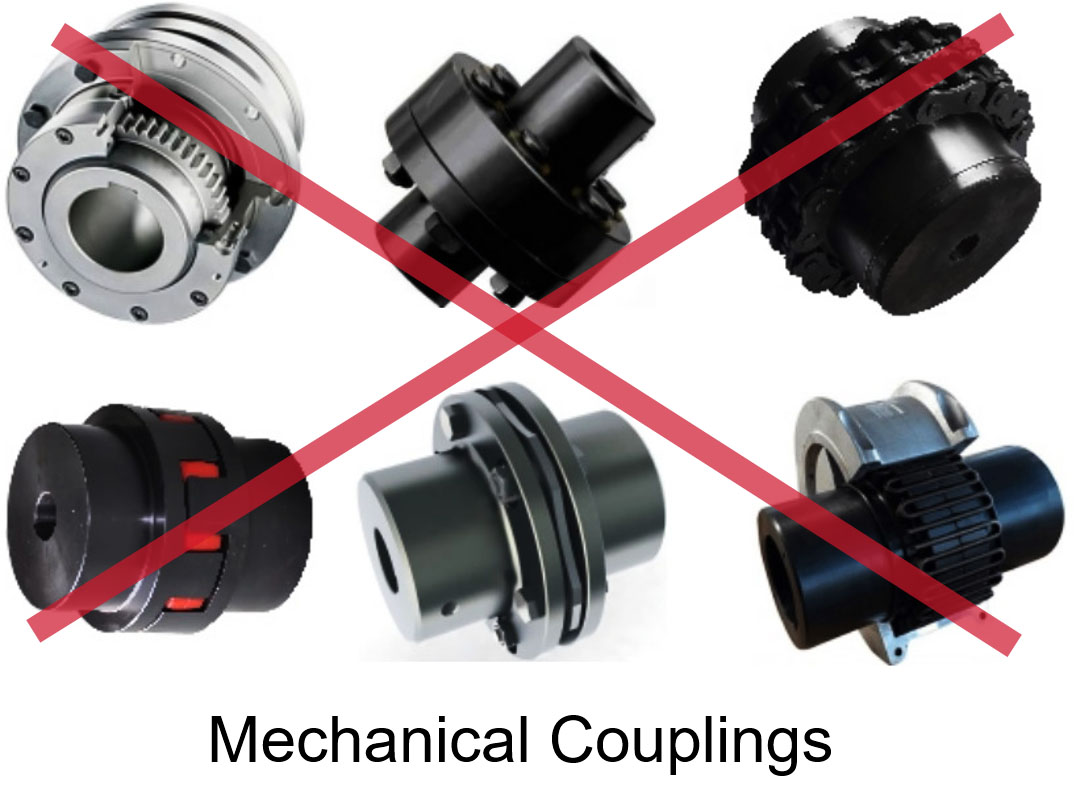
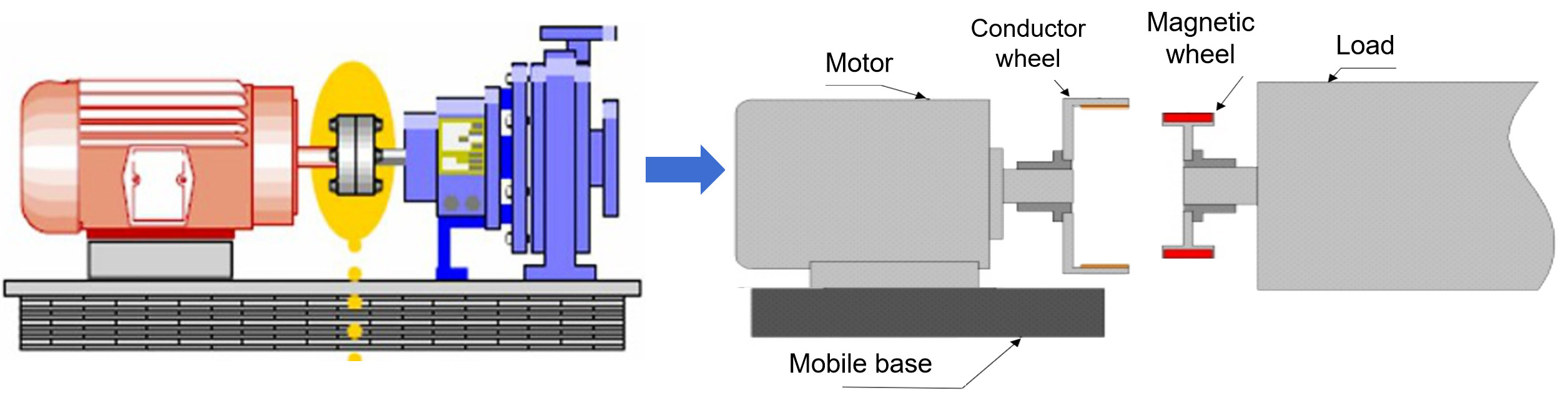
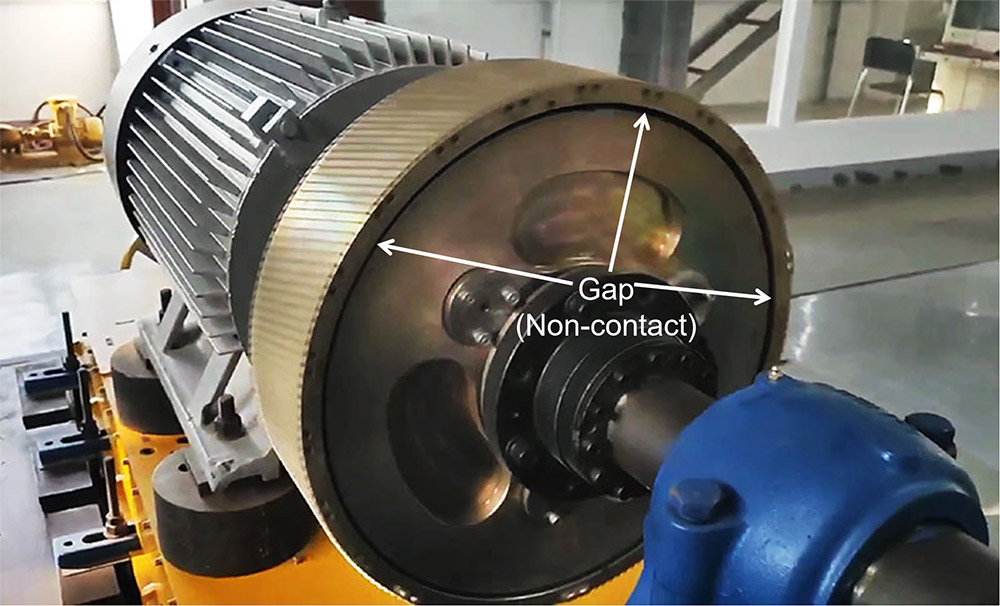
Unlike conventional couplings that rely on mechanical connections, MSR transmits torque in a non-contact manner through magnetic fields.

In addition, MSR can adjust the magnitude of the transmitted torque to regulate the speed on the load side.

Mechanism and Structure Diagram of MSR

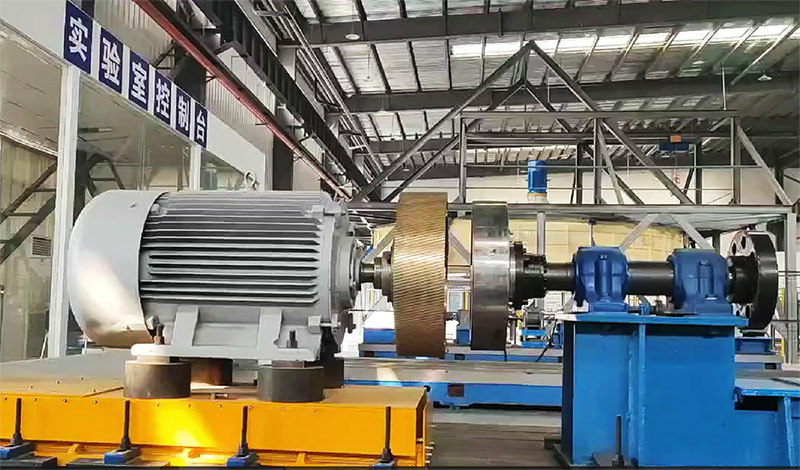
A 200kW MSR

The working mechanism of MSR offers many advantages, which mainly stem from two factors:
  1. its ability to regulate speed and
  2. its non-contact method of torque transmission.

1. Speed Regulation

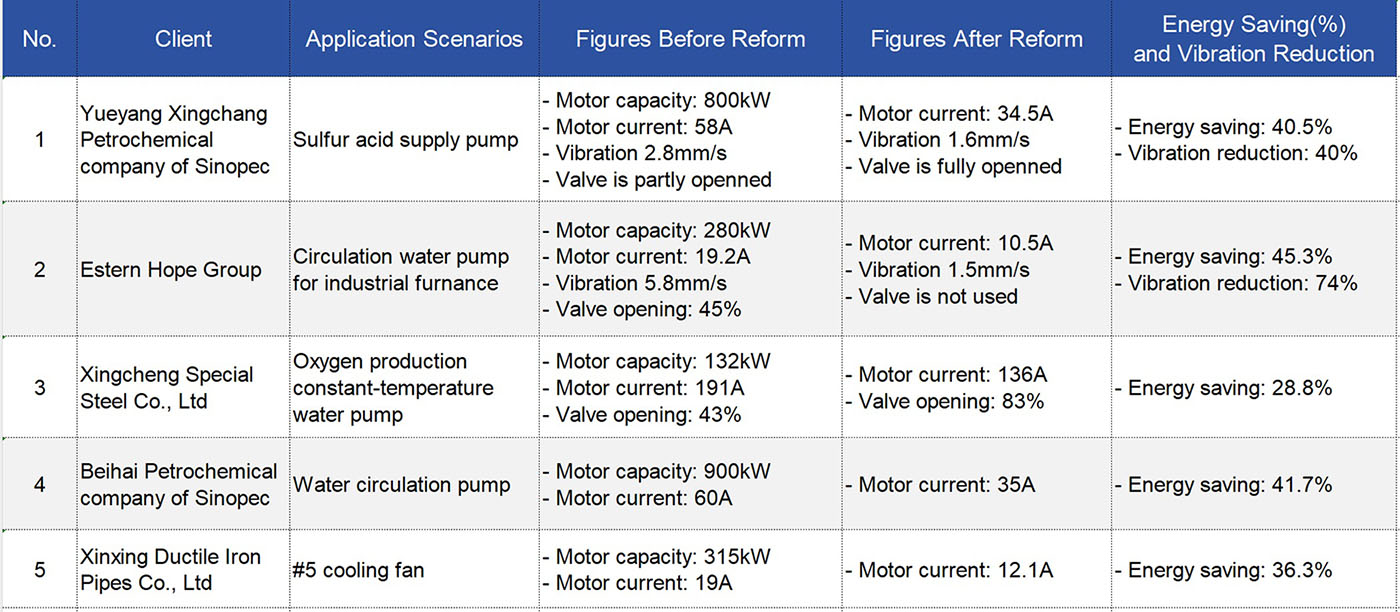
MSR can reduce energy consumption by up to 50% through precise speed regulation.

Compared with traditional solutions such as Variable Frequency Drives (VFDs) and fluid couplings, MSR delivers superior performance and reliability. Unlike VFDs, MSR requires:

  • No bulky equipment – saving valuable installation space;

  • No strict environmental control – operates reliably without special temperature or humidity requirements;

  • Minimal maintenance – no need for highly trained technicians;

  • No risk of costly trip failures – protecting connected machines and equipment from sudden shutdowns.

With its simple design and robust operation, MSR provides a smarter, safer, and more efficient alternative for modern industries.


2. Non-contact

With its unique non-contact torque transmission, MSR delivers unmatched advantages for industrial applications:

  • Up to 81% vibration reduction – extending the service life of both motors and driven equipment;

  • Truly maintenance-free – no friction, no wear, and a reliable 20-year lifespan that cuts down operating costs;

  • Zero spare parts required – a simple design eliminates the need for periodic replacements and oil lubrication;

  • Built-in soft start and overload protection – ensuring smooth operation and safeguarding your equipment.

MSR provides a smarter, cleaner, and more cost-effective solution for long-term industrial performance.

MSR Is Ideal For

1. Energy-intensive industries

  • Power generation, petrochemical, steel & metallurgy, cement, mining etc.
  • Creat significant value where electricity prices are high.

2. Accurate speed regulation is required

  • Particularly when the maintenance of VFDs is costly or their tripping risks are expensive for plants to bear.

3. High coupling maintenance costs

  • The need for manpower, oil, and spare parts inventory, as well as their periodic replacement, makes the maintenance cost of mechanical couplings very high.
  • MSR is maintenance-free, offering clients unmatched reliability and cost efficiency.

4. Soft start and overload protection

  • MSR allows the motor to start under minimal load and gradually accelerate to full speed, achieving a soft start.
  • When overloaded, MSR rapidly reduces the magnetic torque between the motor and the load to zero, thereby protecting the motor from damage.

5. High levels of vibration and noise

  • MSR can reduce vibration by up to 81%, which greatly extends the service life of both motors and driven equipment.

6. Fast and easy reform

  • With a high misalignment tolerance of 2-3 mm, the MSR simplifies the retrofit of existing mechanical couplings. This upgrade sometimes can be completed in one day.
  • Experience shows that clients can recoup their investment in MSR in around 1.5 years just from the energy savings. The exact time depends on the plant’s annual operating hours, range of speed regulation, and local electricity prices.
  • In many cases, the ROI can be achieved in just 1 year. Furthermore, the MSR has a design life of 20 years.
  • If maintenance cost savings and prolonged equipment lifespans are considered, the payback period can be significantly shorter.

Typical Applications Out of 300+ Projects

滚动至顶部